 Inquire
 Calendar
 Giving
 Inquire
 Apply
Apply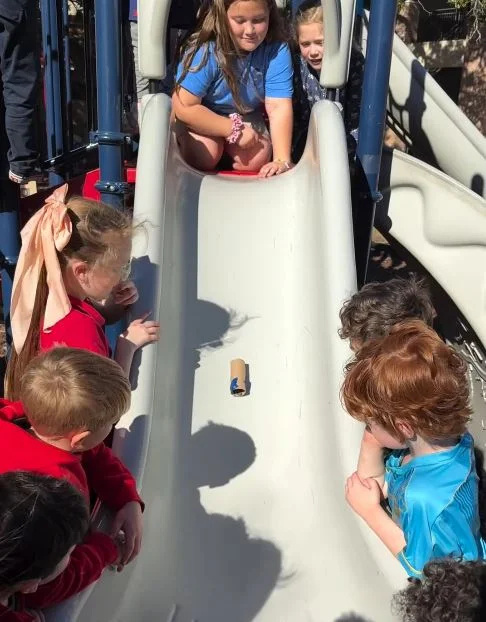
Lower School Students Explore the Physics of Winter Olympic Sports in STeaM Class
February 11th, 2026



In Lower School STeaM with Ms. Natalie Ott, first through fourth graders are discovering that science is everywhere, even in the Winter Olympics.
By connecting classroom learning to current events, Ms. Ott has invited students to explore the physics behind some of the most iconic winter Olympic events. From curling and bobsled to ski jump and beyond, students are investigating what makes these sports work and then putting their knowledge into action by designing and building tabletop models.
Turning Olympic Events into Engineering Challenges
Each project begins with a question:
What forces are at play? How do friction, gravity, momentum, and motion affect the outcome?
Students learn that a bobsled is more than just a fast ride down a track. It is a study in acceleration and reduced friction. A curling stone is not just sliding across ice. It is an exploration of surface resistance and force. A ski jump is not simply about height. It is about gravity, velocity, and angle.
Armed with this understanding, students move into the engineering phase. Using classroom materials, they design small-scale models of Olympic events and test whether their creations actually function as intended.
Learning Through Trial and Error
The most powerful learning often happens when something does not work the first time.
Students quickly discover that a ramp that is too steep, a surface with too much friction, or a structure without enough support will not produce the results they expected. Through thoughtful adjustments and repeated testing, they refine their models, strengthening both their scientific understanding and their perseverance.
This process of trial and error mirrors real-world scientific inquiry. Students are not simply memorizing definitions. They are applying concepts, analyzing results, and improving their designs.
Building Excitement Around Physics
By tying lessons to current events and globally recognized competitions, Ms. Ott is seeing something special in her classroom: genuine excitement about physics.
Students are eager to test their models, compare results, and discuss why one design may outperform another. They are asking deeper questions and making meaningful connections between what they see on television and what they experience in the lab.
In Lower School STeaM, physics is not abstract. It is hands-on, collaborative, and joyful.
Through experiences like these, students are developing more than an understanding of force and motion. They are building confidence as problem-solvers, critical thinkers, and creative innovators, skills that will serve them far beyond the classroom.
Other articles to consider
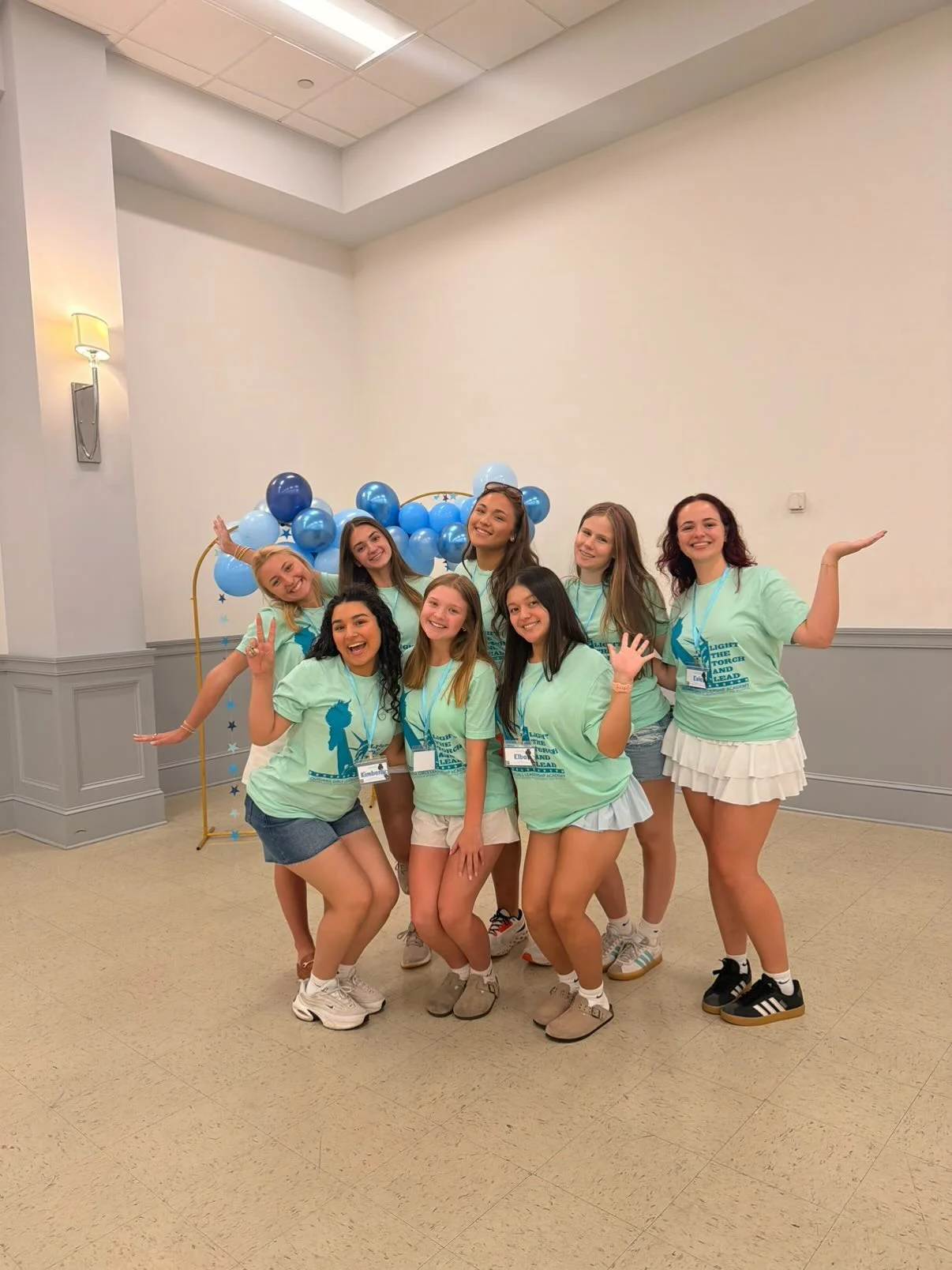 Jun8Empowered to Lead: St. Martin's Girls Seize Statewide Leadership Opportunities
At St. Martin's Episcop...See Details
Jun8Empowered to Lead: St. Martin's Girls Seize Statewide Leadership Opportunities
At St. Martin's Episcop...See Details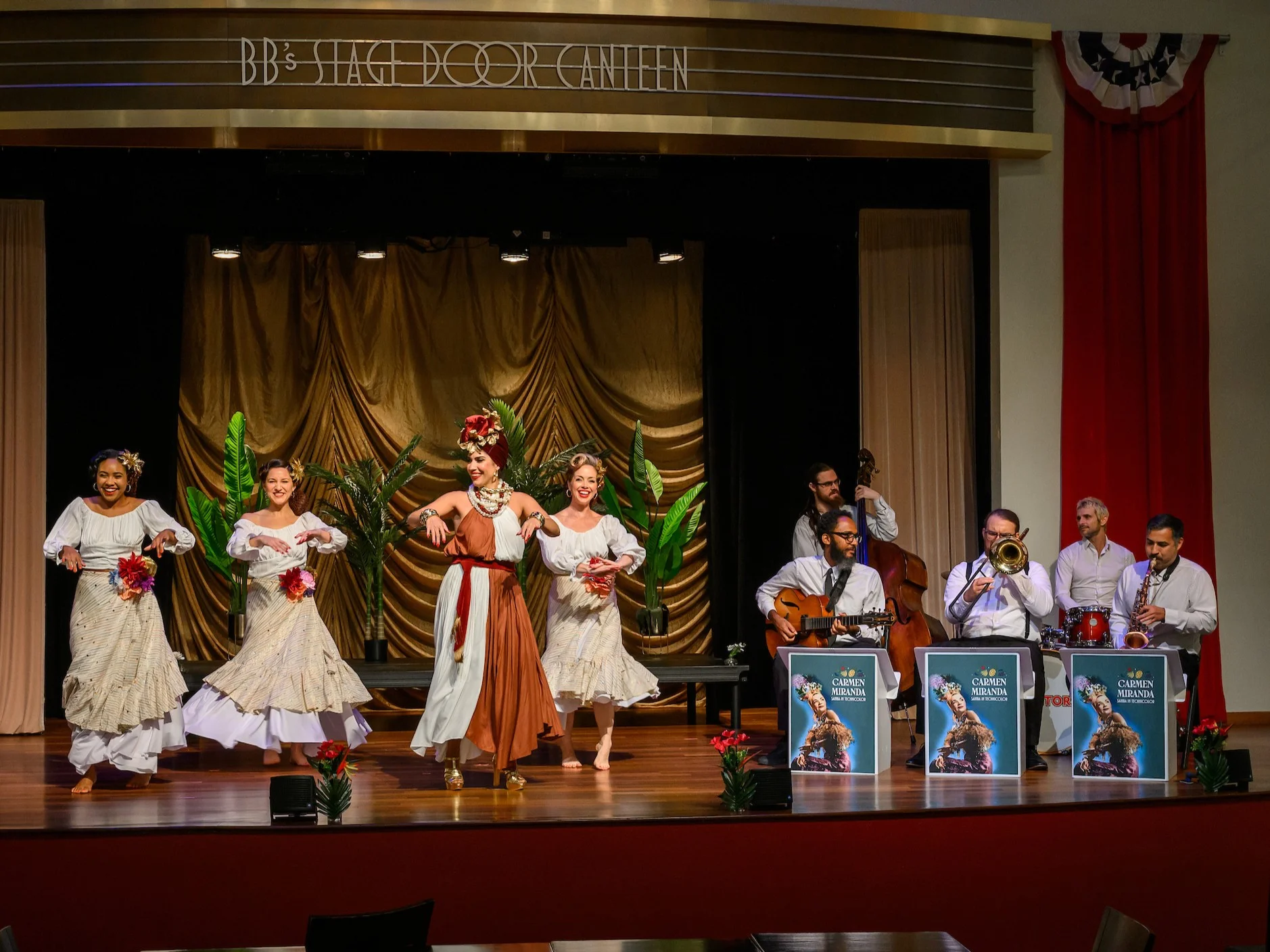 Jun3St. Martin’s Educator Brings History to Life on National WWII Museum Stage
A few weeks ago, the li...See Details
Jun3St. Martin’s Educator Brings History to Life on National WWII Museum Stage
A few weeks ago, the li...See Details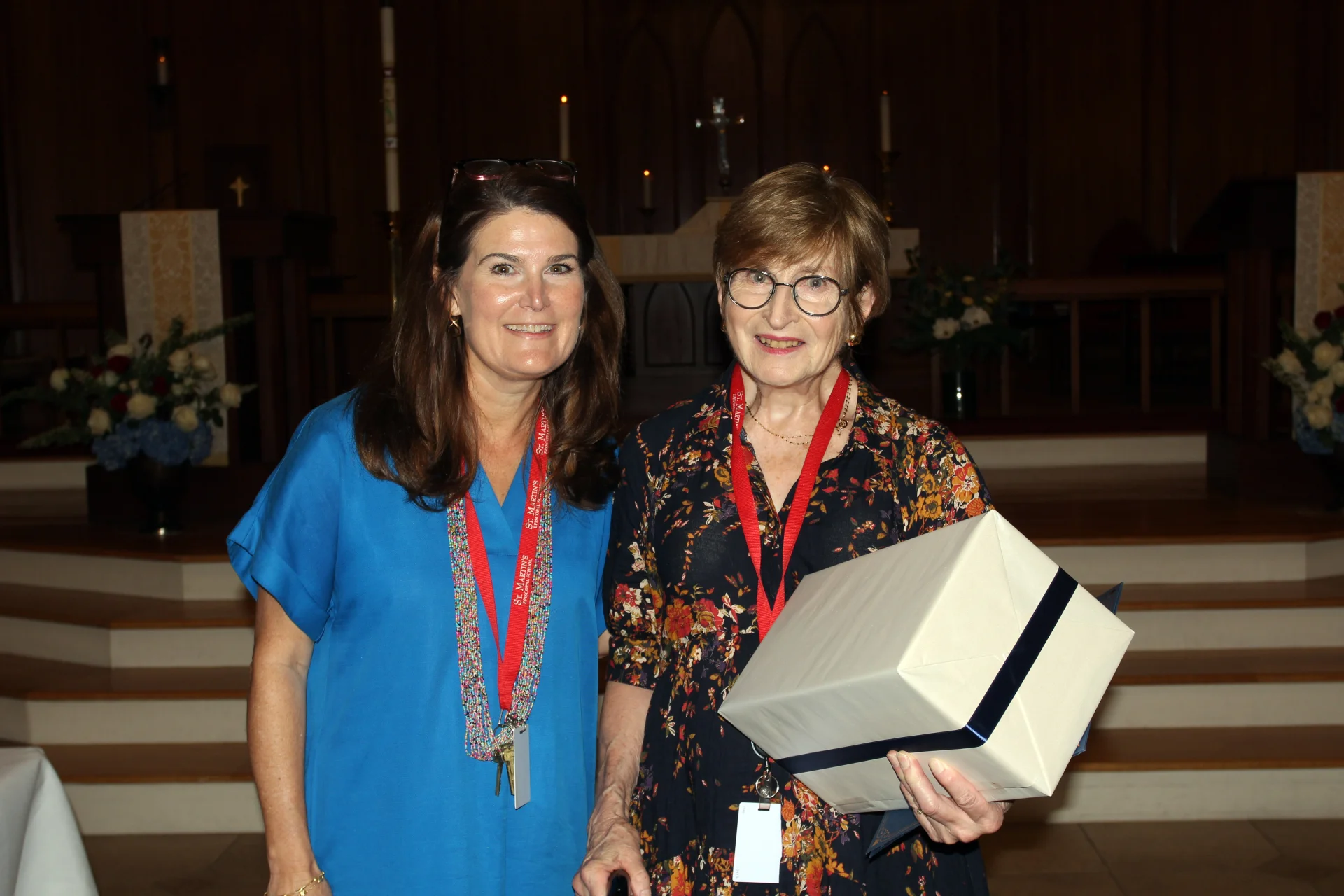 May29Celebrating Excellence: Faculty and Staff Honored for Service, Leadership, and Outstanding Teaching
At the close of the sch...See Details
May29Celebrating Excellence: Faculty and Staff Honored for Service, Leadership, and Outstanding Teaching
At the close of the sch...See Details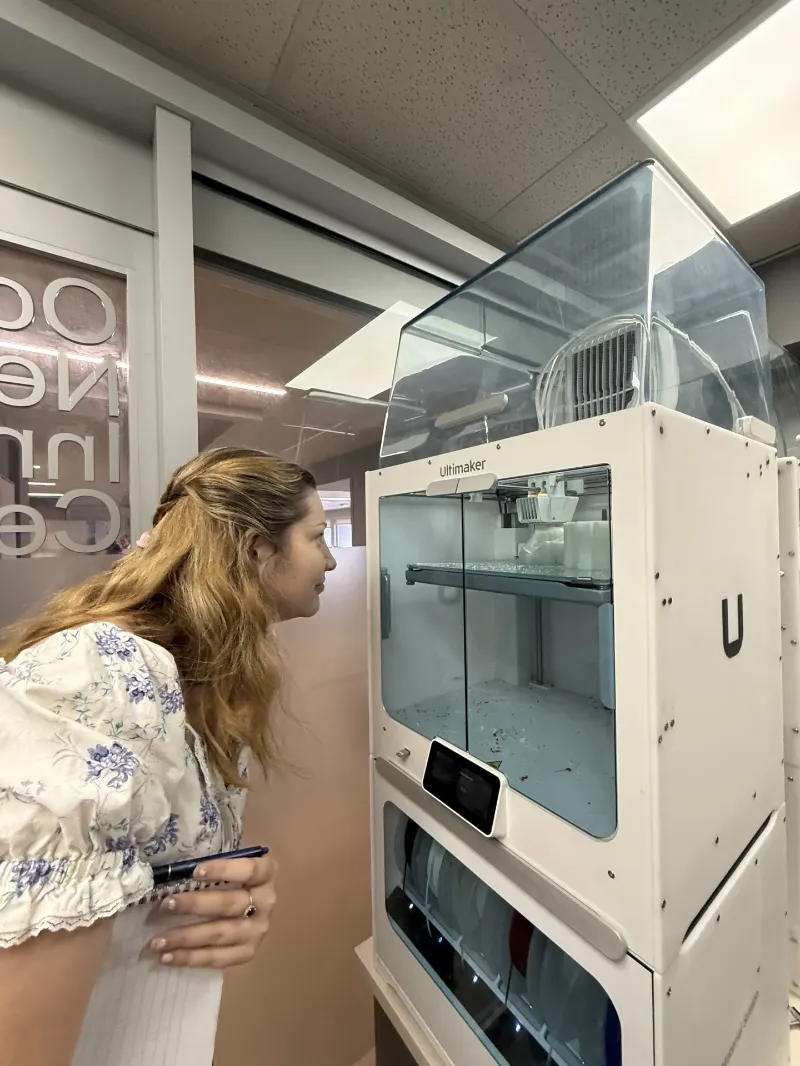 May28St. Martin’s Senior Internship Program Bridges Classroom Learning and Real World Experience
For seniors at St. Mart...See Details
May28St. Martin’s Senior Internship Program Bridges Classroom Learning and Real World Experience
For seniors at St. Mart...See Details

Categories
- Academic Excellence
- Alumni
- Alumni Spotlight
- Athletics
- Arts
- Authors & Speakers
- Community
- Episcopal Tradition
- Faith
- Faculty and Staff
- Innovation + Design
- Mission
- StM Traditions
- World Languages
- George Cottage
- Lower School
- Middle School
- Upper School
- Campus of Opportunity
- Love of Learning
- Student Support Services
- Parents
- Alumni Awards
- Admissions Resources
- Alumni Stories
- College Counseling
 Inquire
 Family Login