 Inquire
 Calendar
 Giving
 Inquire
 Apply
Apply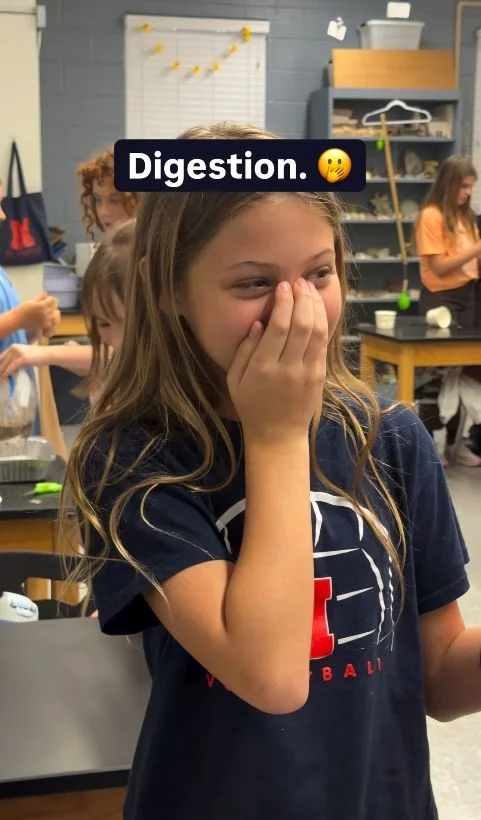
A Science Lesson They Won’t Forget: Inside a Fifth Grade Digestive System Lab at St. Martin’s
January 21st, 2026



In fifth grade science at St. Martin’s Episcopal School, learning doesn’t stop at diagrams in a textbook. Recently, students took part in a hands-on lab designed to model the human digestive system. While the activity may have been memorable for its sensory elements, its real impact came from the science behind it.
Using orange juice, animal crackers, and bananas to represent food we might eat as a snack, students worked step-by-step through the digestive process. They observed how food is broken down, moves through the body, and is ultimately processed. What started as an engaging (and yes, gross) experiment quickly became a deeper lesson in how the human body functions as a connected system.
From Observation to Understanding
As students moved through the activity, they weren’t just following directions; they were learning how each stage of digestion plays a role in overall health and function. After the lab, students participated in a guided discussion that connected each step of the process to real biological concepts, including:
- How saliva and enzymes begin breaking down food
- The role of stomach acids in digestion
- How peristalsis moves food through the digestive tract
- The importance of the small intestine in nutrient absorption
- How the colon processes waste as the final stage
By physically modeling these steps, students were able to visualize what normally happens inside the body, turning an abstract concept into something concrete and understandable.
Learning That Sticks
While the experiment sparked plenty of laughter and wide-eyed reactions, the goal was deeper learning — and that’s exactly what it delivered.
By engaging multiple senses and encouraging observation, discussion, and reflection, the lesson reinforced key scientific concepts in a way students are unlikely to forget. The experience gave students language, context, and understanding they can build on in future science courses. It also encouraged curiosity, thoughtful questions, and collaboration — all essential skills in scientific learning.
How Science Is Taught at St. Martin’s
This lab is one example of how science is taught throughout the middle school years at St. Martin’s.
Lessons are designed to:
- Encourage hands-on exploration
- Connect theory to real-world systems
- Promote critical thinking and discussion
- Help students understand why something happens, not just what happens
Rather than relying solely on textbooks or worksheets, students actively engage with the material, allowing concepts to take root through experience and reflection.
Building Confidence Through Experience
By the time students leave middle school, they’ve developed more than just content knowledge. They’ve learned how to think scientifically — how to observe, ask questions, test ideas, and explain their reasoning. And sometimes, that learning comes from a lesson they’ll laugh about for years to come. At St. Martin’s, those moments are intentional. Because when students are engaged, curious, and fully involved in the process, learning lasts.
Other articles to consider
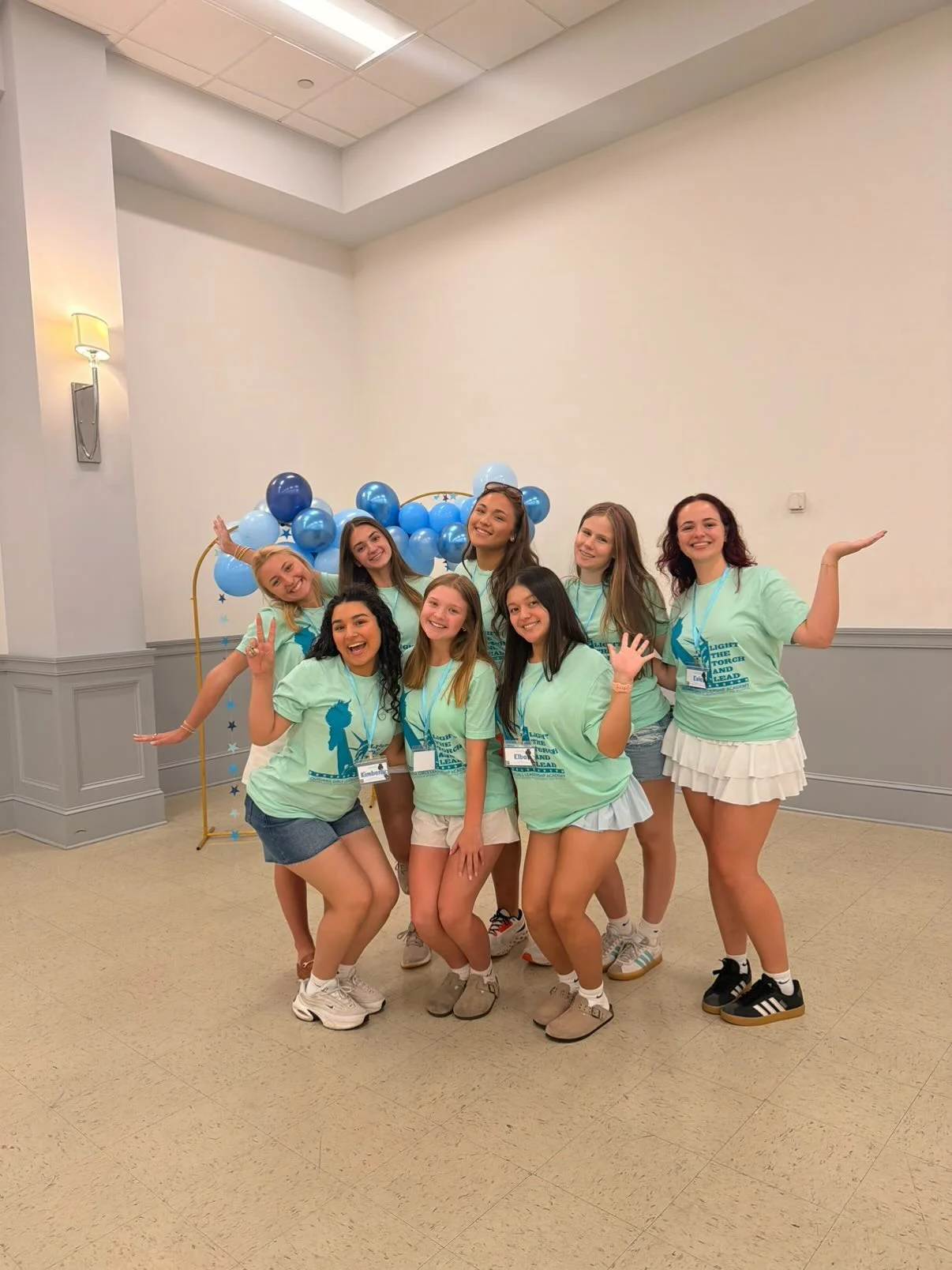 Jun8Empowered to Lead: St. Martin's Girls Seize Statewide Leadership Opportunities
At St. Martin's Episcop...See Details
Jun8Empowered to Lead: St. Martin's Girls Seize Statewide Leadership Opportunities
At St. Martin's Episcop...See Details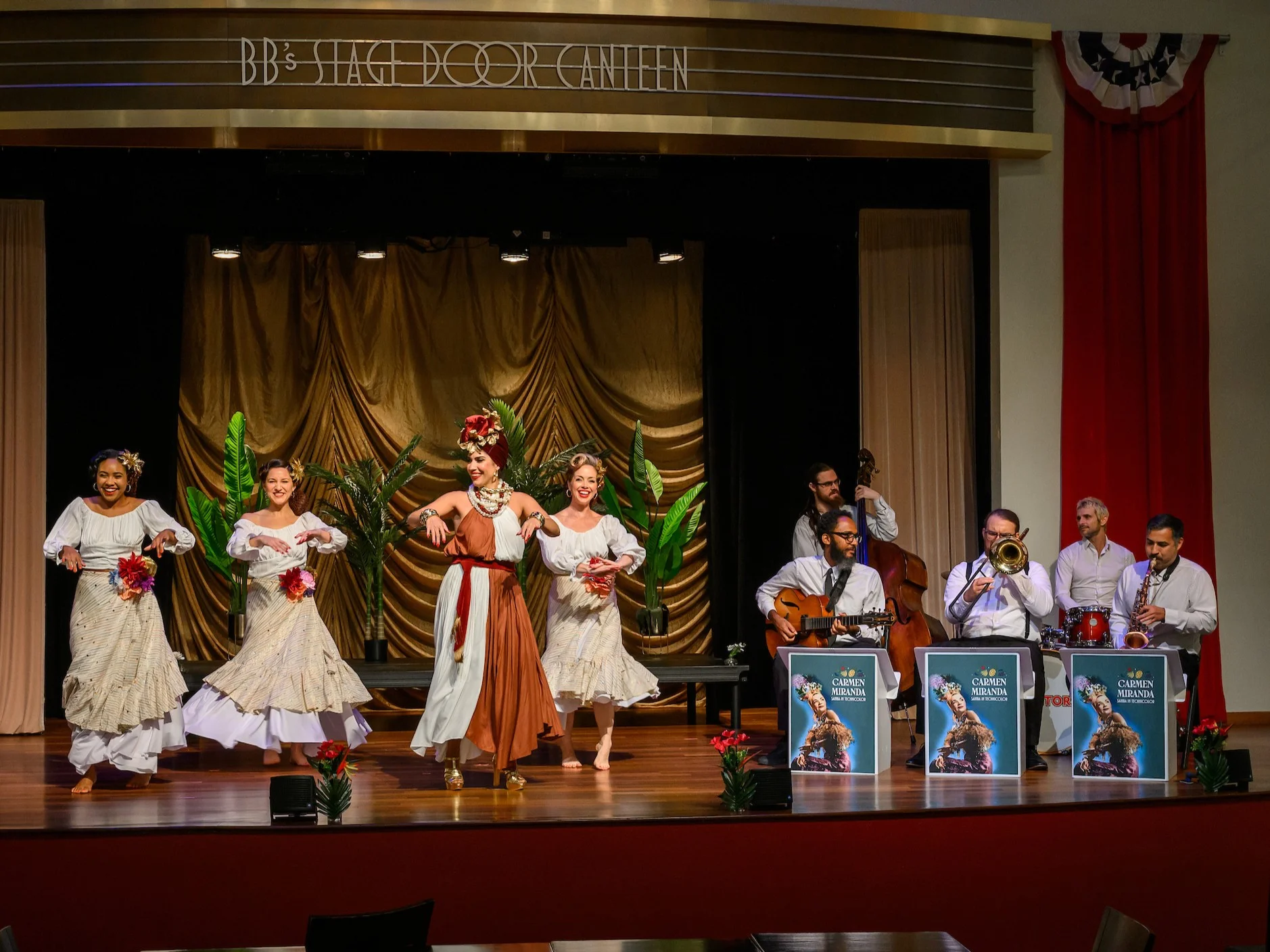 Jun3St. Martin’s Educator Brings History to Life on National WWII Museum Stage
A few weeks ago, the li...See Details
Jun3St. Martin’s Educator Brings History to Life on National WWII Museum Stage
A few weeks ago, the li...See Details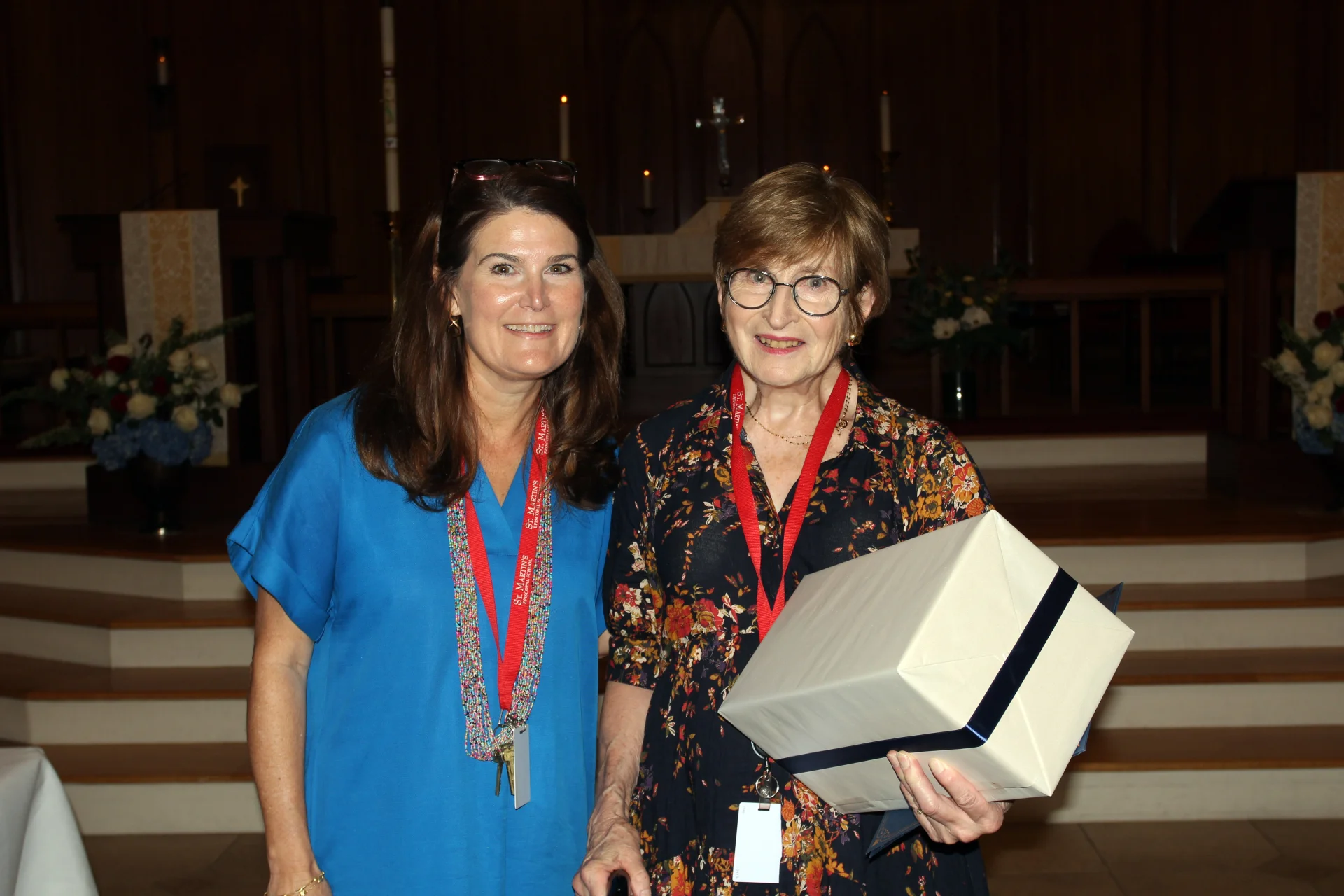 May29Celebrating Excellence: Faculty and Staff Honored for Service, Leadership, and Outstanding Teaching
At the close of the sch...See Details
May29Celebrating Excellence: Faculty and Staff Honored for Service, Leadership, and Outstanding Teaching
At the close of the sch...See Details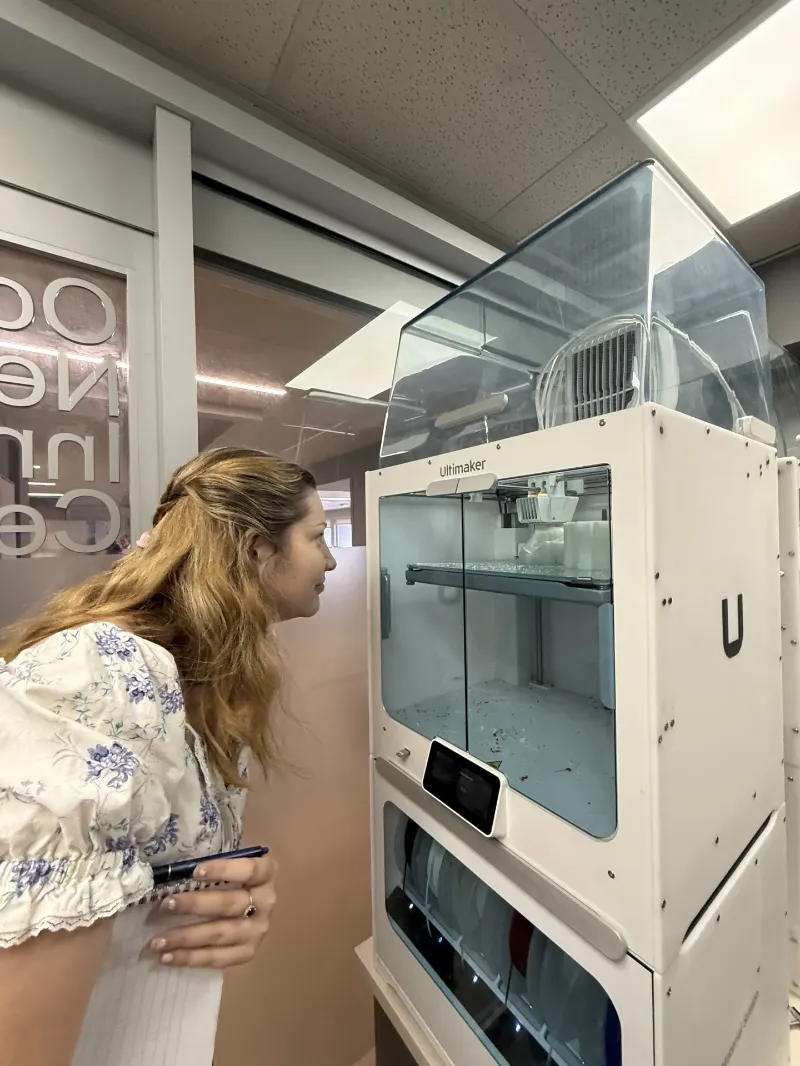 May28St. Martin’s Senior Internship Program Bridges Classroom Learning and Real World Experience
For seniors at St. Mart...See Details
May28St. Martin’s Senior Internship Program Bridges Classroom Learning and Real World Experience
For seniors at St. Mart...See Details

Categories
- Academic Excellence
- Alumni
- Alumni Spotlight
- Athletics
- Arts
- Authors & Speakers
- Community
- Episcopal Tradition
- Faith
- Faculty and Staff
- Innovation + Design
- Mission
- StM Traditions
- World Languages
- George Cottage
- Lower School
- Middle School
- Upper School
- Campus of Opportunity
- Love of Learning
- Student Support Services
- Parents
- Alumni Awards
- Admissions Resources
- Alumni Stories
- College Counseling
 Inquire
 Family Login