 Inquire
 Calendar
 Giving
 Inquire
 Apply
ApplyLearn how our Episcopal tradition shapes community, character, and meaning—while welcoming all families, regardless of faith.
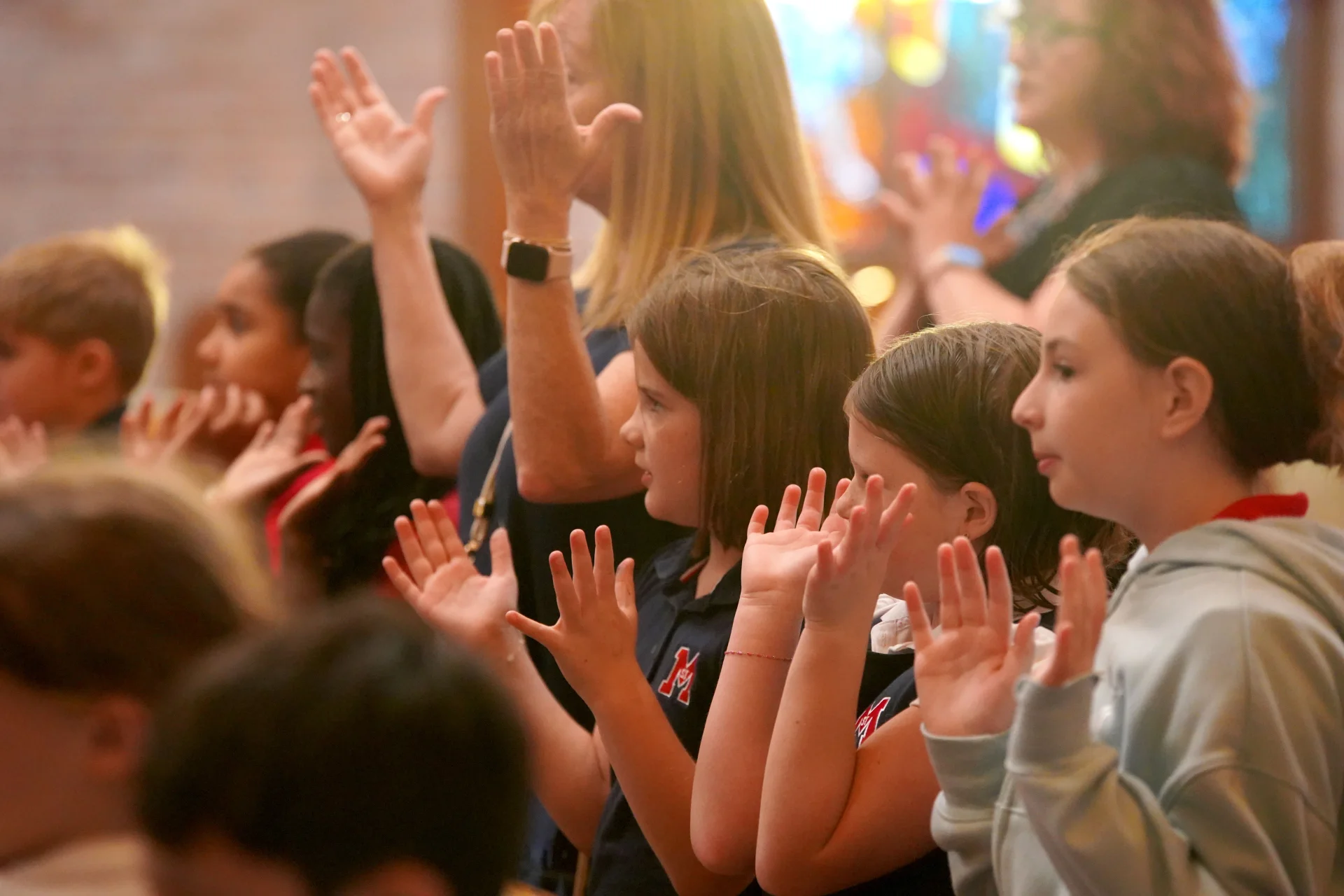
Dive deeper into what Episcopal education means at StM.
At St. Martin’s, our Episcopal identity isn’t a separate “religion class” or requirement—it’s a living framework that guides how we teach, how we relate, and how we serve. For more than 75 years, we have held that respecting others, speaking honestly, offering kindness, and serving the community are essential aspects of forming strong moral character.
Our Episcopal tradition influences:
- Worship and reflection
- Community life and relationships
- Religious formation and interfaith conversation
- Moral leadership, service, and civic responsibility
What it looks like
Regular chapel, prayer, music, storytelling
Why it matters
Offers pause, grounding, and a shared ritual
What it looks like
Intentional community, civil discourse, welcoming culture
Why it matters
Supports emotional, relational, and mental well-being
What it looks like
Age-appropriate exploration of Christian tradition and dialogue with other faiths
Why it matters
Encourages wisdom, curiosity, understanding, and humility
What it looks like
Service projects, ethical citizenship, integration in curriculum
Why it matters
Helps students become morally-grounded and socially-conscious leaders
 St. Martin’s integrates rigorous academics with moral and ethical development, preparing students for success in college and life. We believe these elements work together, not separately, to cultivate students who think deeply, act compassionately, and live courageously.
What Makes St. Martin’s Unique
While many Episcopal schools share these commitments, here’s how they come alive at St. Martin’s:
Inclusive by design. You don’t need to be Episcopalian, or even religious, to belong in our community. We welcome families of all faiths and those of no faith. Our spiritual programming is designed to be open, relevant, and respectful.
Civil discourse is built in. We ground conversations in mutual respect, listening, inquiry, and caring disagreement. As an Episcopal school, we look to the Book of Common Prayer as one guiding resource.
Moral values are practice, not lecture. The values of compassion, truth, service, and mercy aren’t slogans—they’re integrated in classroom discussions, student interaction, service learning, chapel, and school culture.
Connection of heart + mind. We believe education is about who you become, not just what you know. Our Episcopal foundation helps us bridge academic rigor with spiritual, emotional, and ethical growth.
“Our students go to school with kids from a variety of faith backgrounds … the school takes those values that spread across all beliefs and ties those into the curriculum.”
— Bobby Quintal ’06, Parent
 Some ways parents often tell us they see the difference:
- Children learn to ask big questions, not just right answers.
- Students are encouraged to be reflective, to see the dignity of others, and to act with integrity.
- Service is not an add-on—it’s part of who we are.
- The culture helps foster belonging, respect, and community.
- Faith instruction is not coercive. Instead, we create space for doubt, dialogue, and growth.
- We teach and model civil discourse. We are called to respect everyone’s dignity, thoughtfully listen, and engage with care.
Dive deeper into what Episcopal education means at StM.
Join Us for a Tour or Conversation
See for yourself how these ideas live in our classrooms, chapels, conversations, and campus life.
 Inquire
 Family Login